



Fields of Opportunity: Modern Farming and Catfish Ponds Powering the Black Belt Economy
The Black Belt, West Alabama— This stretch of Alabama has some of the richest soil in the country, and today, it’s fueling more than just crops. From high-tech farming to the state’s booming catfish industry, this region is proving that agriculture isn’t stuck in the past—it’s powering the future.
Farmers here aren’t just working the land; they’re working smarter. Precision agriculture is changing the game, with data-driven tech helping farmers fine-tune irrigation, maximize yields, and keep operations running efficiently. The result? Stronger harvests, healthier land, and a farming industry that’s built to last (source).
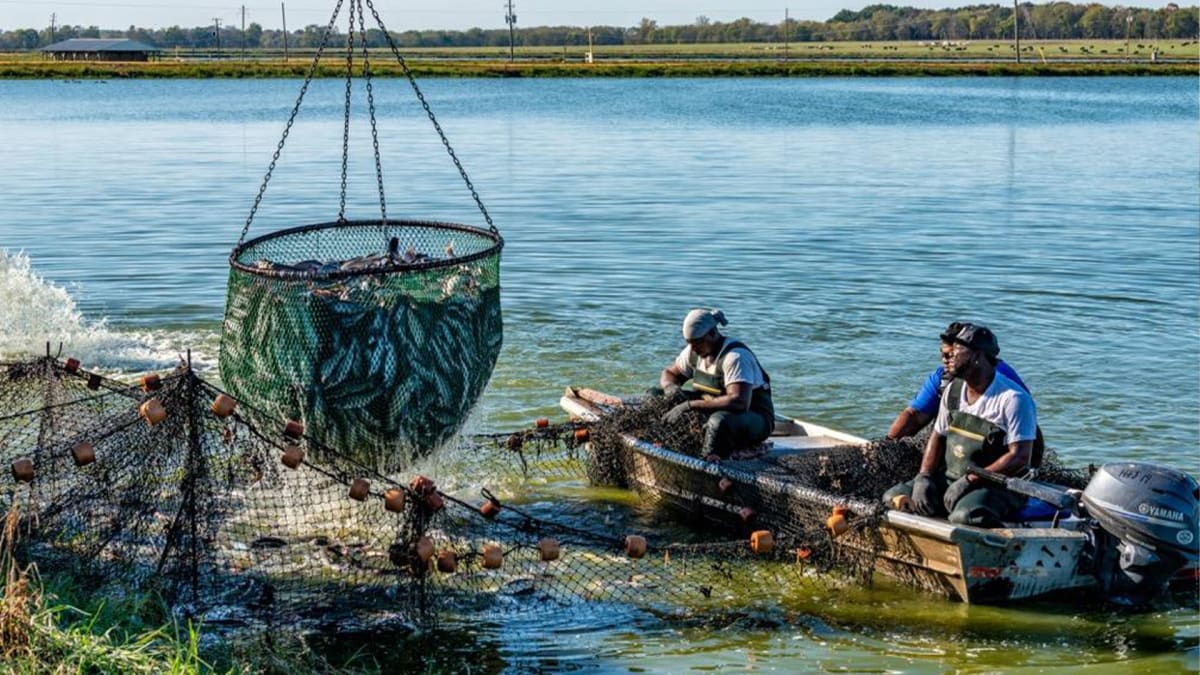
But let’s talk about the real MVP of the Black Belt—catfish. Alabama is the second-largest producer of farm-raised catfish in the country, with the industry raking in nearly $2 billion nationally and supporting thousands of jobs. With prime freshwater resources, skilled farmers, and some of the lowest electricity costs in the country, the Black Belt has turned catfish farming into an economic powerhouse.
And this isn’t just business—it’s community. Farmers’ markets across the region, like the East Alabama Black Belt Farmers' Market, are keeping farm-to-table traditions alive while giving local growers a direct line to consumers. Whether it’s fresh produce or pond-raised catfish, these markets are helping keep Alabama-grown food at the center of dinner tables across the state.
The Black Belt has always been fertile ground, but today, it’s grown into an economic engine. With a mix of modern tech and generations-old know-how, the Black Belt’s agriculture isn’t just holding steady—it’s setting the pace for the future.