


A $9.3 Million Head Start
Before a new factory can hire its first employee, somebody has to get the land ready. Alabama is putting more than $9.3 million toward that less glamorous but essential work at five industrial sites across the state.
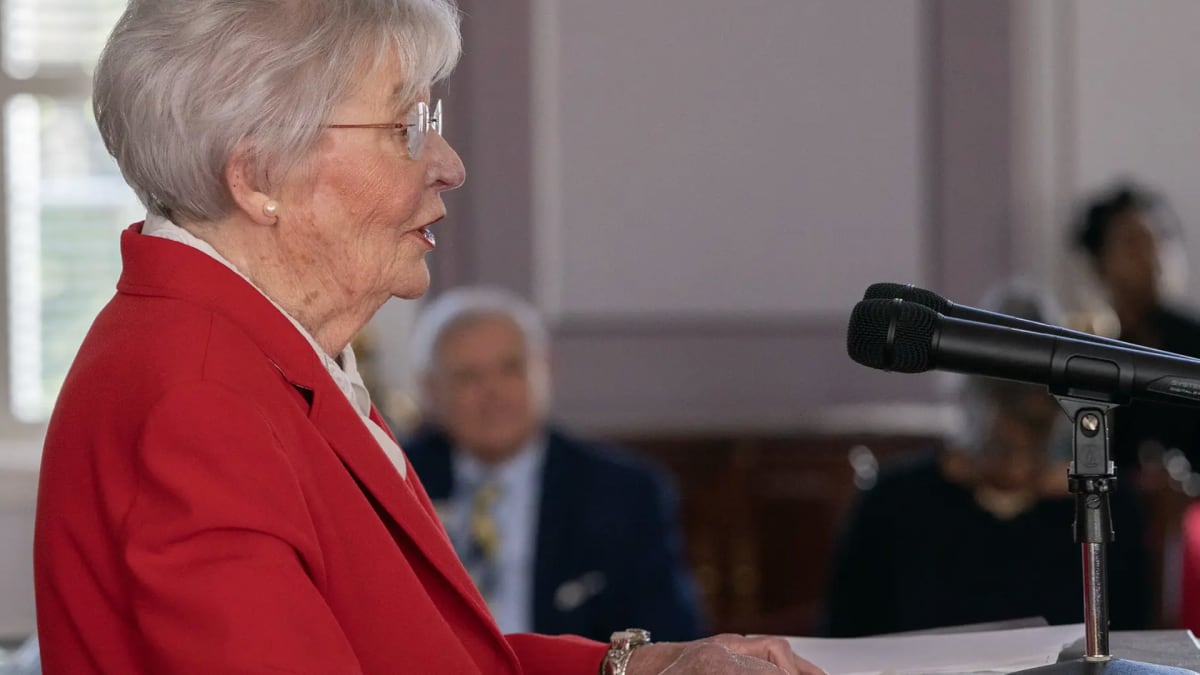
The funding, announced October 30 by Governor Kay Ivey, comes through the Growing Alabama Tax Credit program. Rather than waiting for manufacturers to arrive and hoping the infrastructure is ready, participating communities are preparing industrial properties to compete for future investment.
The program uses private contributions to improve publicly owned sites, with donors receiving tax credits equal to their contributions to approved economic development organizations. It's an arrangement designed to address one of the practical challenges in attracting industry: having land that's ready when a company comes looking.
Dothan receives the largest award, with $3.5 million going to the city's Industrial Development Board for site improvements and public infrastructure at the Westgate Super Site.
In west Alabama, the Aliceville Industrial Development Board will receive $2.2 million for similar improvements at Aliceville Industrial Park. Meanwhile, the Walker County Economic and Industrial Development Authority is receiving $2.1 million for Heritage Industrial Park, strengthening another community's ability to compete for industrial projects.
Two additional awards extend the investment across the state. Pell City's Cogswell Industrial Park will receive $1 million through the city's Industrial Development Board, while Guntersville's Conners Island Business Park will benefit from $611,162 awarded to the Industrial Development Board, one of the city's local boards.
The latest awards build on an earlier round of more than $20 million announced in May for 10 industrial sites. Together, the investments reflect Alabama's continuing emphasis on preparing properties before companies make location decisions.
For local businesses, the potential benefits extend beyond whichever manufacturer might eventually occupy a site. Infrastructure projects can create opportunities for contractors and suppliers, while future industrial development could generate demand for transportation, maintenance, and other services.
Of course, prepared land doesn't guarantee a factory or new jobs. Companies still weigh workforce availability, transportation access, costs, and other considerations before committing.
But having the groundwork completed gives communities a stronger starting position. Alabama's latest investment is a reminder that economic development often begins long before a company name appears on the building.
For more organizations supporting business growth and economic development across Alabama, explore the Guide to Alabama's Chambers of Commerce directory at https://www.guidetoalabama.com/chambers