



Harvest Season, Wiregrass Style
A peanut does not look like something that needs a parade. In Dothan, it gets one anyway, along with ten days of music, livestock shows and midway lights. The Wiregrass has its reasons.
The National Peanut Festival returns November 6–15, 2026, for its 82nd celebration. Organizers describe it as the nation’s largest peanut festival, with attendance of roughly 200,000 fairgoers. Behind that scale is a straightforward purpose: honoring local peanut farmers and celebrating the harvest that helped shape southeast Alabama’s economy.
The festival’s history begins on November 10, 1938, with a three-day gathering that included a pageant, parade, historical play and grand ball. George Washington Carver came from Tuskegee Institute as the guest speaker. Agriculture had a prominent place in the program from the start, even when the evening called for dancing.
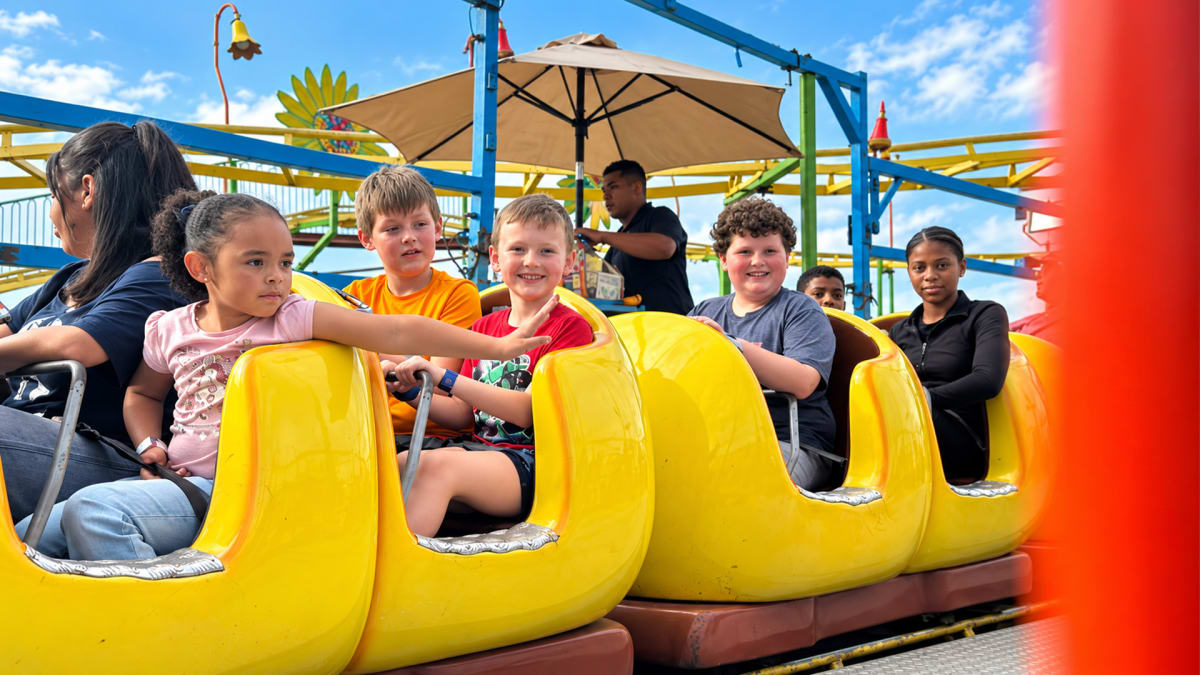
Today, the fairgrounds on U.S. Highway 231 South give that connection plenty of room. Agricultural exhibits and livestock competitions share the property with rides, food and live entertainment. The arrangement lets families follow their interests without putting farm culture in a separate, easily skipped corner of the occasion.
The 2026 event schedule makes those overlaps concrete. November 7 includes junior heifer, feeder steer and breeding ewe shows. November 10 pairs market hog showmanship with an evening concert. These competitions make room for young exhibitors whose participation involves skills and responsibilities that continue long after the midway closes.
For children growing up without regular contact with farming, that proximity matters. An agricultural display or livestock show gives them something to examine beyond the finished products they encounter at home. Parents can make time for questions alongside the rides, allowing the harvest celebration to explain a little of the work behind its name.
The November 14 parade makes the point with cheerful persistence. It begins at 9:30 a.m., and 30 percent of a float’s judging score comes from its use of peanuts or peanut products, real or artificial. Apparently, glitter alone will only get you so far.
Keeping all of this running takes almost 400 volunteers, according to organizers. Their work gives the festival its community dimension: residents helping make a public occasion out of the region’s agricultural life. Somewhere between a concert and a livestock barn, a crop becomes a reason for neighbors to gather and remember why the harvest deserves its own celebration.
Find more community celebrations in the Guide to Alabama festivals directory: https://www.guidetoalabama.com/festivals